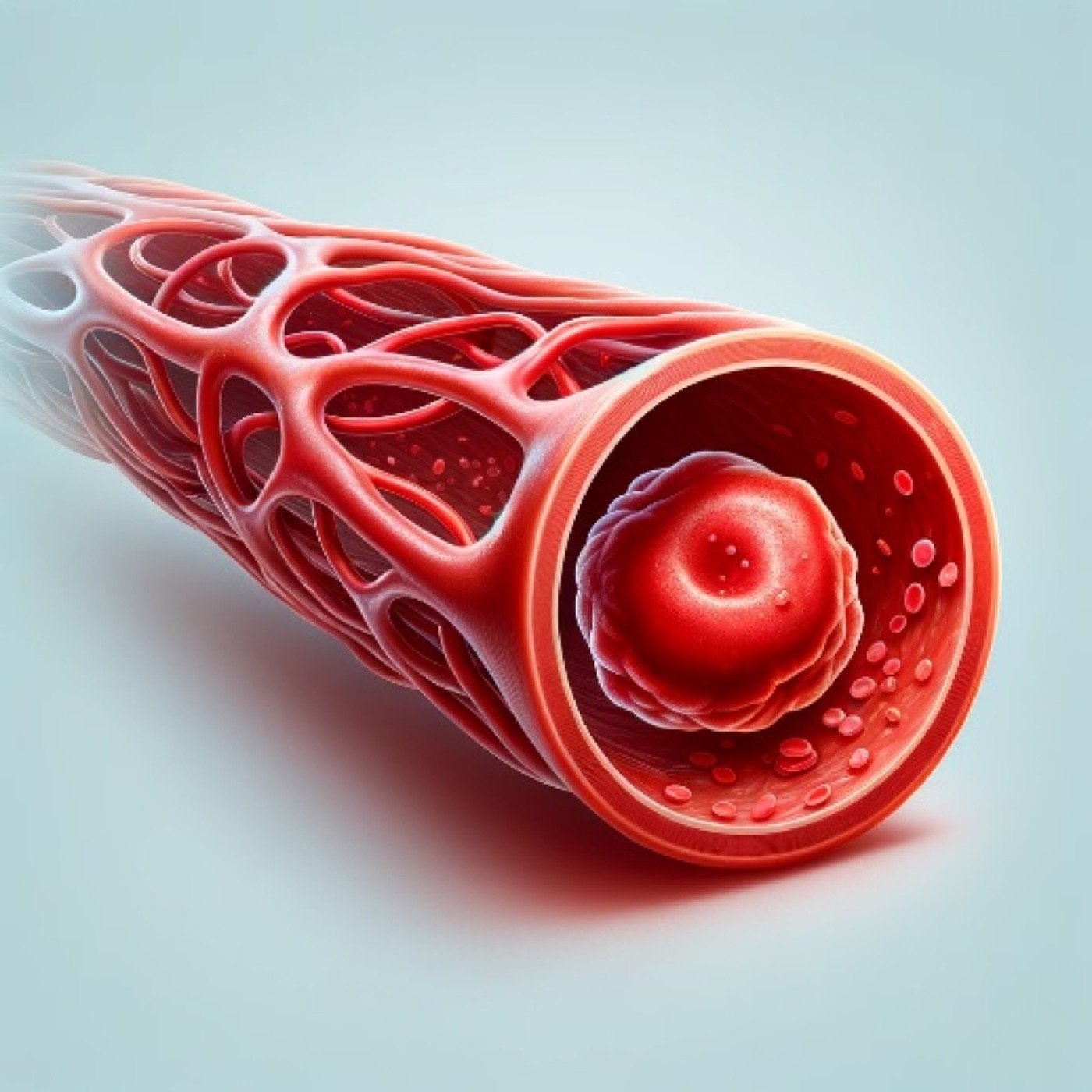
Thrombophilias are a group of hematologic disorders characterized by an increased predisposition to forming blood clots. This can result in thrombotic events such as deep vein thrombosis (DVT) and pulmonary embolism (PE), with serious consequences for the patient’s health.
Impact of Thrombophilias
Thrombophilias can lead to significant complications, such as recurrent miscarriage, pregnancy complications, myocardial infarction (heart attack) and stroke. Patients with thrombophilias have a higher risk of developing thrombotic events, especially in high-risk situations such as surgery, prolonged immobilization, oral contraceptive use and pregnancy.
Diagnosis
Diagnosing thrombophilias is key to preventing thrombotic events and involves a combination of clinical evaluation and laboratory testing. The main lab tests include:
- Coagulation Tests: Prothrombin time (PT) and activated partial thromboplastin time (aPTT).
- Coagulation Factor Assays: Assessment of factor V Leiden, the prothrombin gene mutation (G20210A), and protein C, protein S and antithrombin deficiencies.
- Genetic Testing: Identification of genetic mutations associated with inherited thrombophilias.
Monitoring
Monitoring patients with thrombophilias is essential to prevent complications and involves:
- Regular Evaluation: Periodic visits to review clinical status and adjust treatment as needed.
- Lab Testing: Ongoing monitoring of coagulation levels and risk factors.
- Patient Guidance and Education: Information about the signs and symptoms of thrombotic events, as well as preventive measures.
Management
Thrombophilias can be managed through pharmacological interventions and lifestyle changes:
- Anticoagulants: Medications such as warfarin, low-molecular-weight heparin and novel oral anticoagulants (NOACs) to prevent clot formation.
- Preventive Measures: Adopting healthy habits, such as eating a balanced diet, avoiding smoking, exercising regularly and maintaining a healthy weight.
- Multidisciplinary Care: Involvement of different medical specialties for comprehensive, personalized care.
Conclusion
Proper management of thrombophilias is crucial to prevent complications and improve patients’ quality of life. With accurate diagnosis, ongoing monitoring and effective management, it is possible to significantly reduce the risk of thrombotic events and provide optimal health care.
References:
- Ornstein, D.L., & Cushman, M. (2003). Cardiology Clinics, 21(3), 219-229.
- Kujovich, J.L. (2011). Hematology/Oncology Clinics of North America, 25(2), 299-313.
- Bauer, K.A. (2014). New England Journal of Medicine, 371(12), 1173-1174.