Basic Thrombophilia Panel
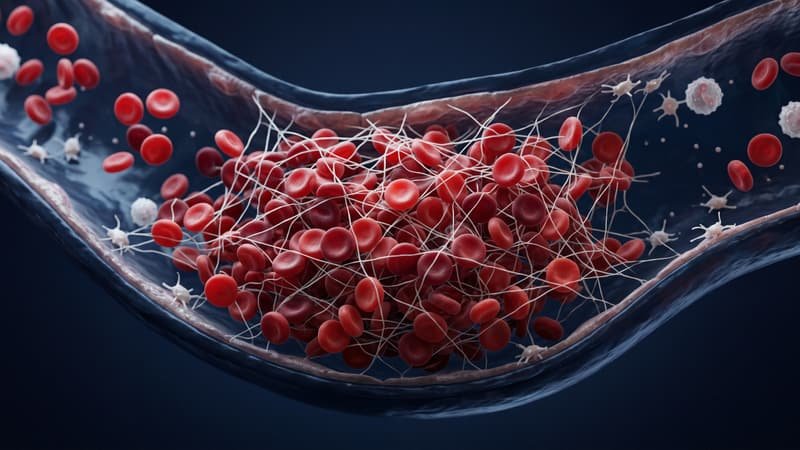
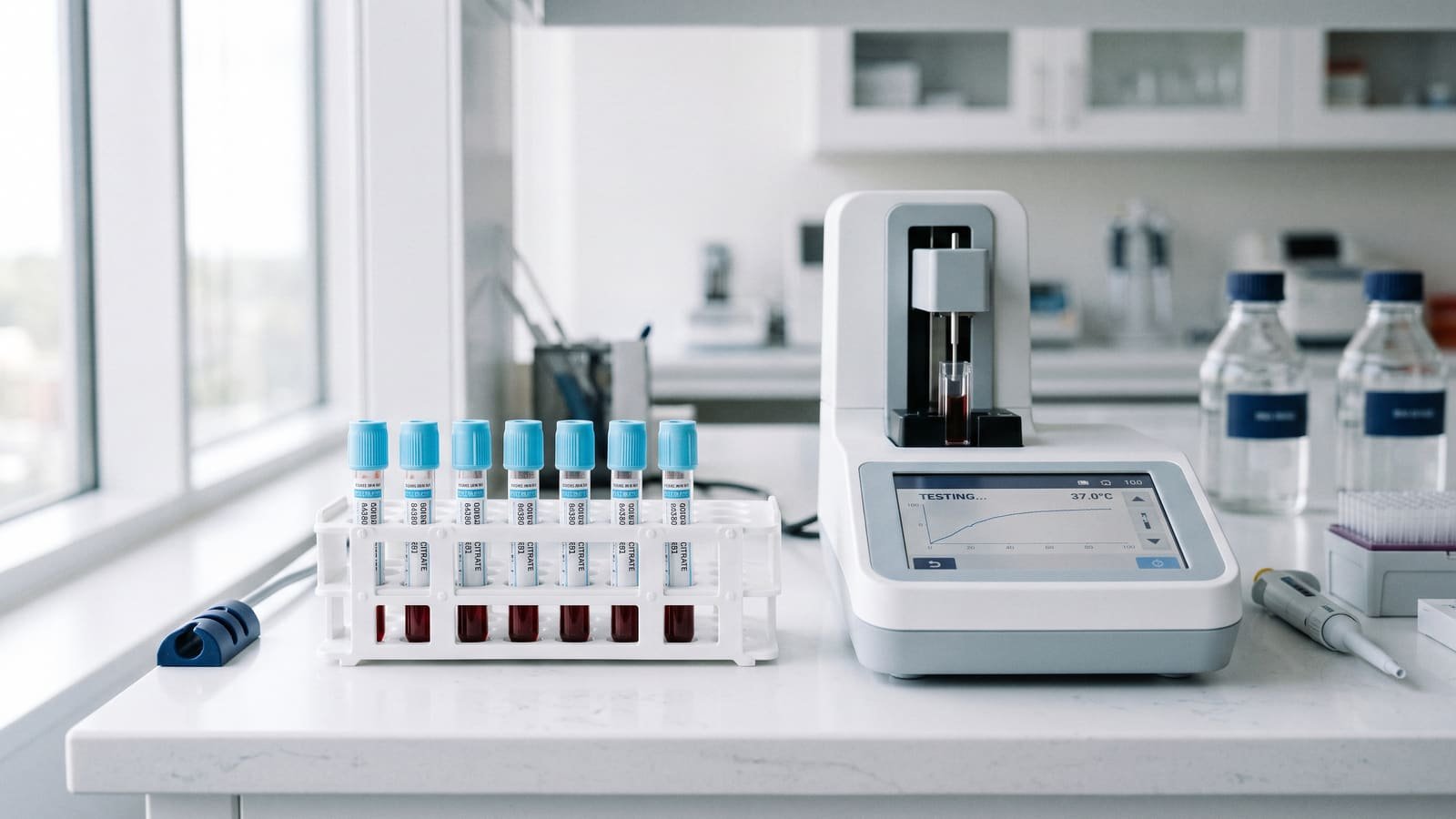
Our Thrombophilia Panel is a complete set of tests designed to assess blood clotting factors and identify possible inherited or acquired disorders that increase the risk of thrombosis. This panel is a valuable tool for individuals with a personal or family history of recurrent blood clots or pregnancy complications, or who are considering hormone therapy or surgery.
What does the Thrombophilia Panel include?
- Factor V Leiden: Assesses the genetic mutation in the factor V gene, associated with an increased risk of deep vein thrombosis (DVT) and pulmonary embolism (PE).
- Prothrombin Gene Mutation (Factor II): Assesses the mutation in the prothrombin gene, also known as G20210A, which increases the risk of venous thrombosis.
- MTHFR Gene Analysis: Assesses mutations in the MTHFR (methylenetetrahydrofolate reductase) gene, which can lead to elevated homocysteine levels and increase the risk of thrombosis.
- Protein C Deficiency: Assesses levels of protein C, which plays an important role in regulating blood clotting. Deficiency of this protein is associated with an increased risk of thrombosis.
- Protein S Deficiency: Assesses levels of protein S, which acts as a cofactor of protein C in inhibiting blood clotting. Deficiency of this protein is also associated with an increased risk of thrombosis.
- Antithrombin III: Assesses levels of antithrombin III, which inhibits several clotting factors. Deficiency of this protein is associated with an increased risk of thrombosis.
- Homocysteine: Assesses blood levels of homocysteine, an amino acid that in excess can damage blood vessel walls and increase the risk of clot formation.
- Activated Partial Thromboplastin Time (aPTT): Measures the efficiency of the intrinsic and common coagulation pathways, helping to identify clotting factor deficiencies or the presence of coagulation inhibitors.
Why get the Thrombophilia Panel?
- Identification of Risk Factors: The panel identifies genetic or acquired factors that increase the risk of thrombosis, allowing early intervention and the implementation of preventive measures.
- Clinical Decision-Making: For patients with a personal or family history of blood clots or pregnancy complications, or who are considering hormone therapy or surgery, panel results can guide clinical decisions, such as the choice of anticoagulant therapy or contraceptives.
- Genetic Counseling: For patients with inherited disorders identified by the panel, genetic counseling can be offered to help them understand the implications of the results and provide guidance on managing the condition.
Who is the Thrombophilia Panel useful for?
This panel is useful for anyone with a personal or family history of recurrent blood clots or pregnancy complications, or who is considering hormone therapy or surgery. It is especially recommended for patients with suspected thrombophilia or known risk factors for thrombosis.
How do I know if this test applies to me?
If you have a personal or family history of recurrent blood clots or pregnancy complications, or are considering hormone therapy or surgery, it is advisable to discuss the need for the Thrombophilia Panel with your doctor or healthcare provider. They can assess your individual risk factors and recommend additional tests as needed. Investing in a thrombophilia risk assessment is an important step toward preventing serious complications associated with blood clot formation.