Hereditary Cancer Panel: Breast and Ovarian – ALT Laboratório
Hereditary cancer syndromes account for a significant share of cancer diagnoses, approximately 5 to 10% of cases. The presence of pathogenic genetic variants in specific genes can substantially increase the risk of developing different types of cancer, especially breast and ovarian cancer. An estimated 10 to 15% of patients with breast and/or ovarian cancer carry germline mutations in genes associated with these syndromes.
Tests Included in the Panel
Our Hereditary Cancer Panel: Breast and Ovarian covers the analysis of 25 genes using next-generation sequencing (NGS) technology. The genes analyzed are:
- ATM, BARD1, BRCA1, BRCA2, BRIP1, CDH1, CHEK2, EPCAM, MLH1, MRE11 (MRE11A), MSH2, MSH6, NBN, NF1, PALB2, PMS1, PMS2, PTEN, RAD50, RAD51C, RAD51D, SMARCA4, STK11, TP53, and XRCC2.
Importance of Genetic Testing
Patients with a personal or family history of cancer, or those diagnosed with breast or ovarian cancer at a young age, are strong candidates for this panel. Detecting germline mutations can help define preventive strategies and choose the best treatment for the patient, as well as enable appropriate genetic counseling for family members.
The BRCA1 and BRCA2 genes are the best known and are high-penetrance genes, meaning that carriers of mutations in these genes have a very high lifetime risk of developing cancer. In addition, 23 other moderate-penetrance genes are also analyzed, including genes such as PALB2, CHEK2, and RAD51C, which are associated with increased risk, but with weaker evidence.
Technology Used: Next-Generation Sequencing (NGS)
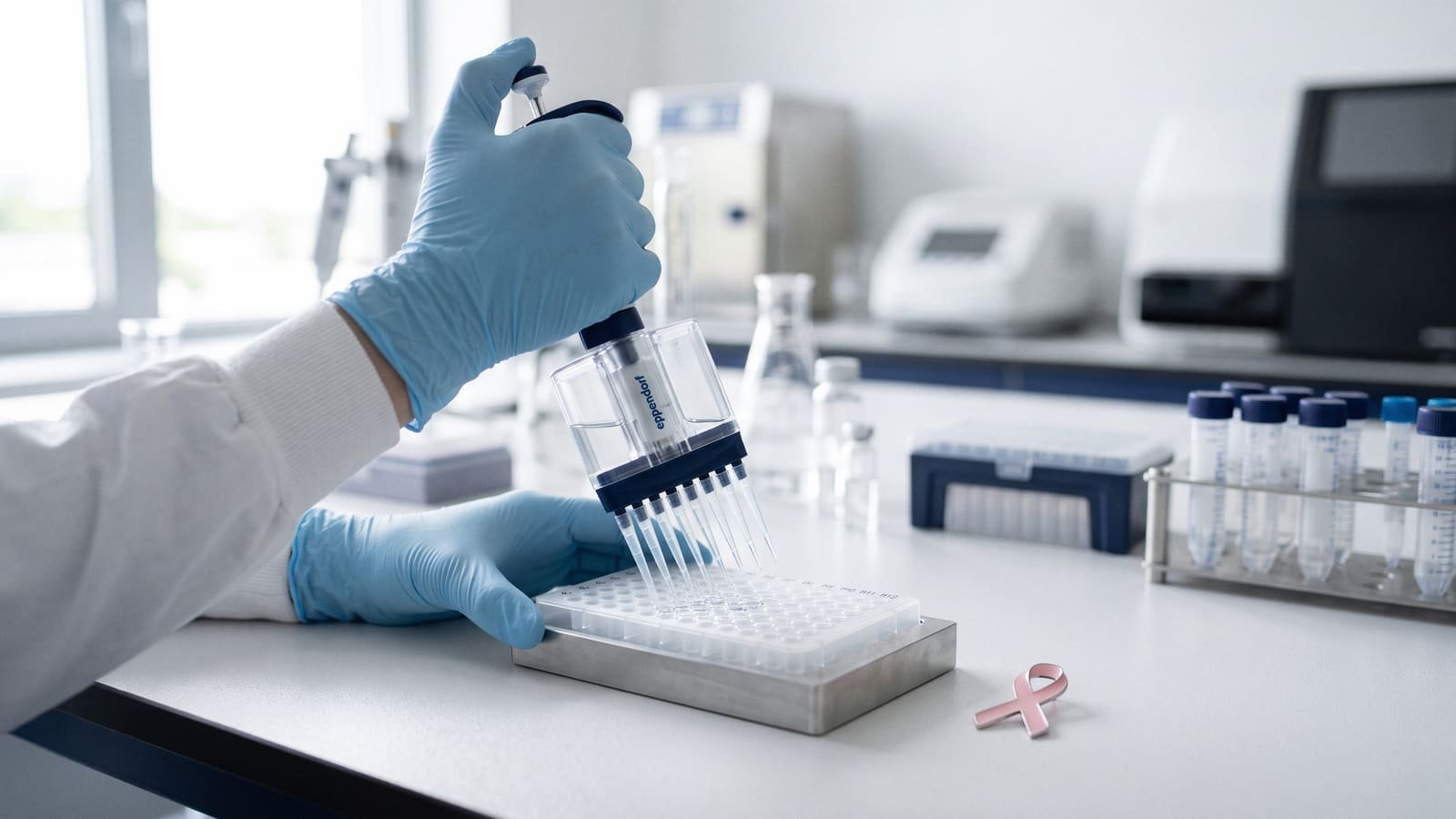
The panel uses complete next-generation sequencing (NGS) technology, which allows multiple genes to be analyzed simultaneously. The test covers all coding regions and exon-flanking regions of the 25 genes related to hereditary breast and ovarian cancer. The test also performs copy number variation (CNV) analysis, looking for structural genetic changes such as duplications or deletions of large DNA segments.
Who Is It Recommended For?
This panel is recommended for patients with the following profiles:
- Personal or family history of breast, ovarian or other cancers associated with the hereditary cancer spectrum.
- Diagnosis of triple-negative breast cancer before age 60.
- Breast or ovarian cancer in multiple family members.
- Patients diagnosed with cancer at a young age (generally under 50).
- Men diagnosed with breast cancer.
Benefits of the Test
- Personalized Prevention and Treatment: Identifying pathogenic mutations allows the adoption of preventive strategies, such as increased surveillance with imaging, risk-reducing surgery or lifestyle changes. For patients already diagnosed with cancer, detecting mutations can guide the choice of targeted therapies, such as PARP inhibitors for BRCA1 or BRCA2 mutations.
- Genetic Counseling: Test results can also benefit the patient's family members, allowing individuals who inherit the mutation to receive preventive guidance.
How to Prepare for the Test?
- Genetic Counseling: Before taking the test, it is important for the patient to have a genetic counseling appointment to understand the impact of the results and the implications for themselves and their family.
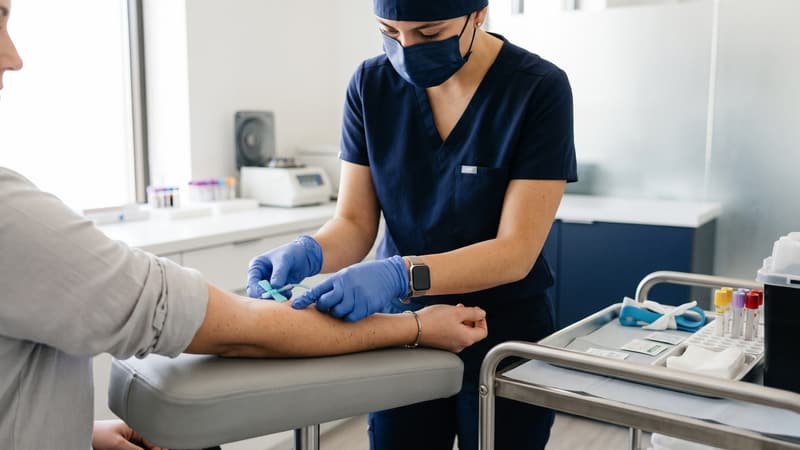
- Sample Collection: The test is performed on a blood or saliva sample, collected during a quick visit to the laboratory.
Method: Complete sequencing (NGS) of all coding and exon-flanking regions of 25 genes related to hereditary breast and ovarian cancer. Pathogenic variants are carefully analyzed, while benign variants are not reported.
Conclusion: This panel is a powerful tool for the early identification of hereditary risks, allowing patients and their families to adopt personalized preventive and treatment measures based on the mutations detected.
Contact for more information: For more information about the Hereditary Cancer Panel: Breast and Ovarian, visit our website or contact one of our specialists at ALT Laboratório.